American Clean Power
Utility-scale solar power facts
Solar energy – power derived from the sun – is a vast and inexhaustible resource that can supply a significant portion of domestic and global electricity needs.
In addition to being a vital source of clean energy, utility-scale solar power creates American jobs, drives innovation, and strengthens our economy.
Statistics
33M
50%
830,000
Solar is transforming our electric grid for the better.
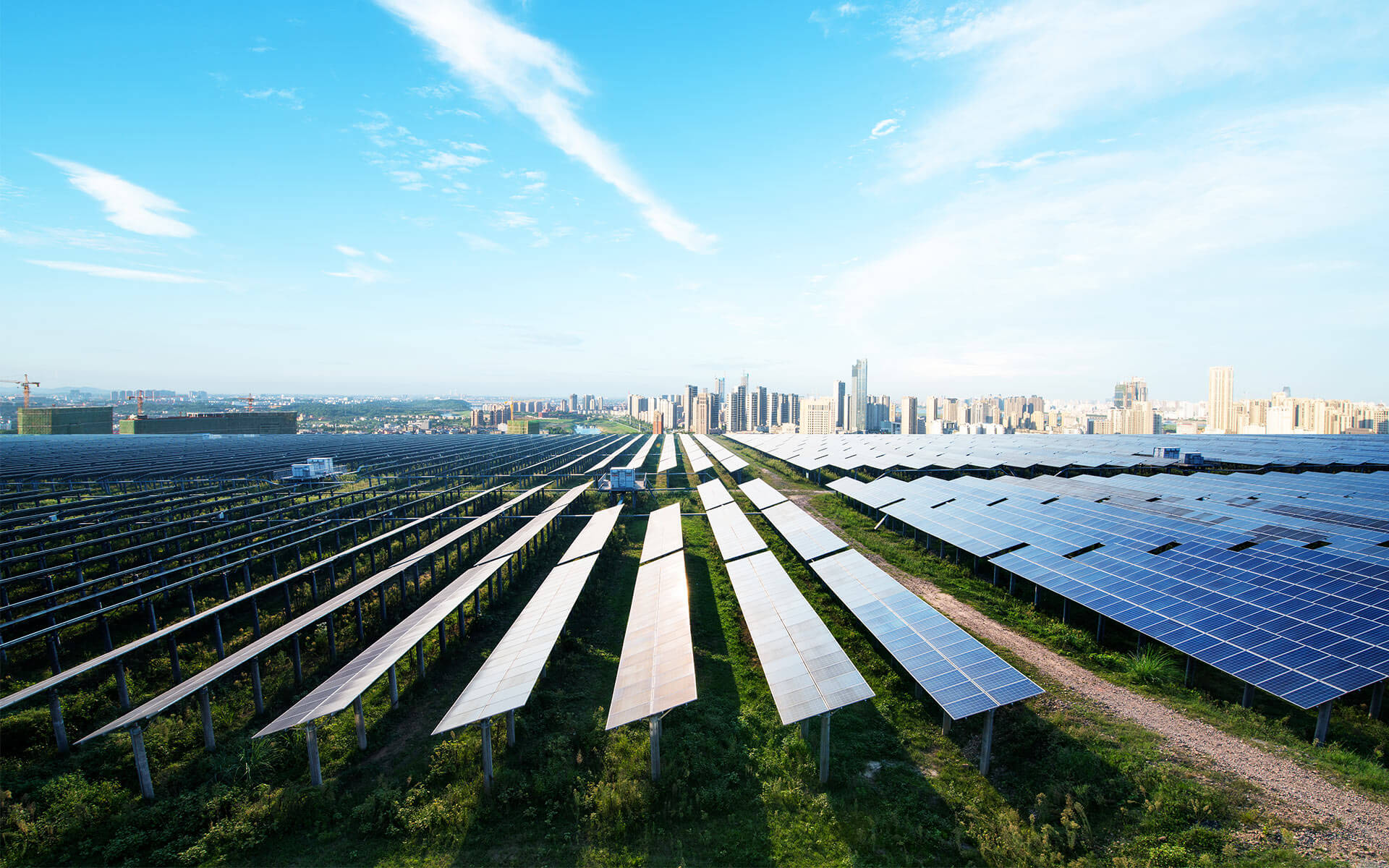
In the United States, utilities and companies across the country are investing in utility-scale solar farms to capture the sun’s energy at a larger scale.
Investing in our economy

Utility-scale solar is a major economic contributor. The industry has invested nearly $332 billion in projects nationwide.
Strengthening local communities

Solar projects also contributed over $1.8 billion in state and local taxes and land-lease payments over the past year.
Supporting American jobs

The solar industry employs 830,000 hard-working Americans across all 50 states, spanning direct, indirect, and induced jobs.
Electricity generation

Over the past year, utility-scale solar made up nearly 9% of total electricity generation in the U.S.
Employment for U.S. Veterans

The U.S. solar industry employs America’s veterans at a rate (8%) higher than the national average (5%).
Explaining solar power

One sun, two approaches
There are two primary types of solar energy technologies in use today: solar photovoltaic (PV) and concentrating solar thermal power (CSP). Each has its own distinct use and application.
The standard approach: solar PV
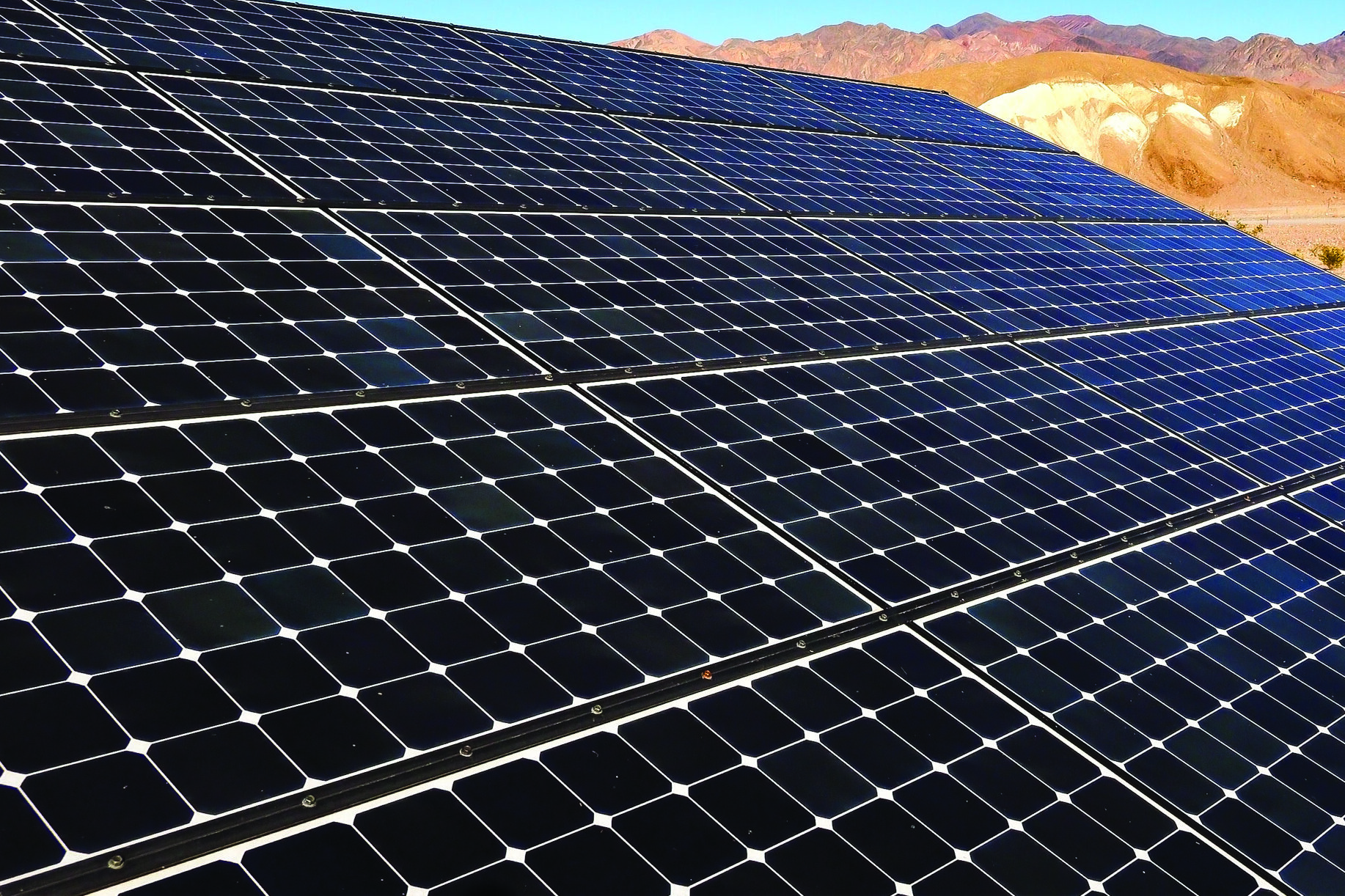
Solar PV is the primary type of solar energy being deployed in the U.S. and around the world. PV cells, typically made of silicon, are sandwiched between a combination of glass or plastics and connected together to form larger solar panels or modules.
A highly scalable solution
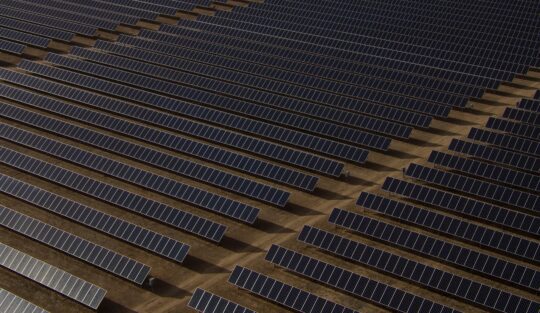
Solar PV modules are further interconnected to form arrays of varying sizes—from a dozen or more modules on a typical rooftop residential system to upwards of hundreds of thousands at larger, commercial and industrial utility-scale solar projects.

Catching rays wherever they are
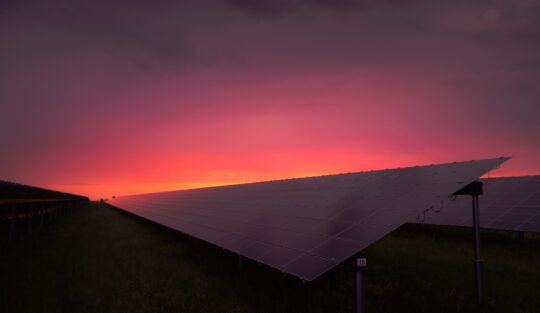
Most solar PV projects use single-axis tracking systems that let panels track the sun along a single line as it moves across the sky, improving production. More sophisticated, dual-axis systems rotate panels in two directions, capturing even more sunlight throughout the day.
Feeding power to the grid
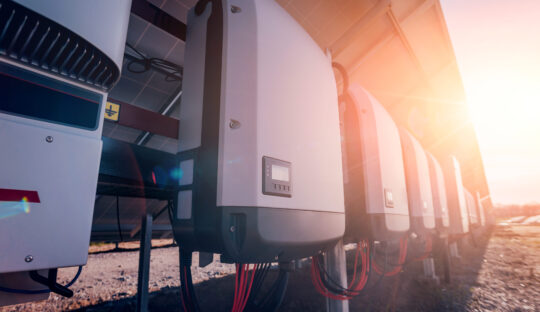
Solar PV systems also include inverters, electrical hardware that converts the PV panels’ direct current (DC) power output to the alternating current (AC) power needed on the grid, allowing the electricity generated by solar power to feed back into the electric grid safely and efficiently.
Answers to top solar power questions
Is solar energy reliable?
Solar energy is inevitably variable by nature since it depends on the availability of sunlight. For example, solar power systems cannot produce electricity at night, and their output can vary during the day depending on local weather conditions.
Since supply and demand needs to be closely matched on the electricity grid, other sources of electricity generation are used when solar energy is not available. This is a natural part of balancing multiple generation sources on the grid. For example, at times of peak sun and solar generation, solar plants can produce at their maximum while other generation sources—such as natural gas and coal—are ramped down.
As energy storage options become more prevalent and cost-effective, variable generation solar plants can couple energy storage (such as batteries) to smooth out their variable nature or prolong generation into the evening after the sun goes down.
Is solar energy American-made?
Utility-scale solar energy demand in the U.S. has accelerated over the past decade with installations in 2030 expected to exceed 40 GW. With increasing demand and manufacturing incentives, over 100 solar primary component facilities and expansions have been commissioned with at least 20 more under construction and over 40 announced. From polysilicon to solar module manufacturing, a roadmap to 100% domestic content is becoming feasible.
The future success of American solar manufacturing requires access to critical inputs that may not yet be available domestically as the supply chain, still nascent in the U.S., continues to propagate.
Does it create pollution to manufacture solar panels?
Solar power is essentially carbon-free. A small amount of pollution is created during the manufacturing and construction processes; however, the fuel used (the sun) is free, plentiful, and pollution-free.
As the solar industry matures and the first projects reach their end of useful life, the solar industry is working closely with recyclers across the United States to establish comprehensive recycling programs that ensure re-use of as much material and equipment as feasible.
Does ACP focus on both residential and utility-scale solar power?
ACP tracks only utility-scale solar generation, including front-of-the-meter community solar.