American Clean Power
Market Pulse: Wind | Fall 2026
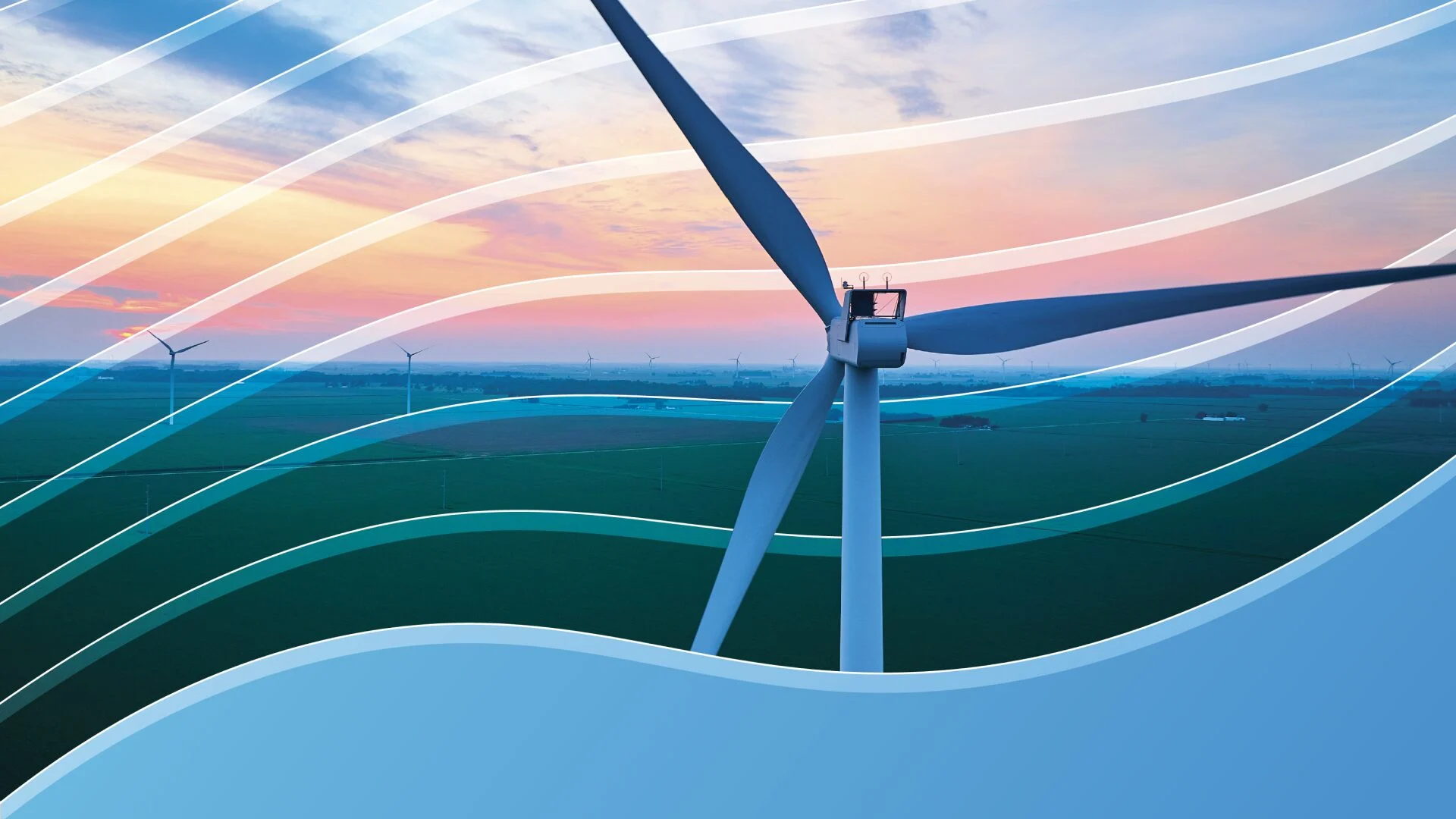
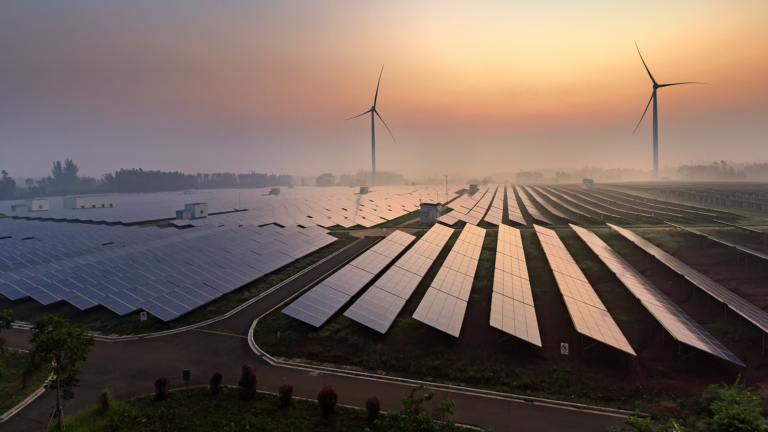
Although there has been a lot of turbulence in the wind power markets, land-based and offshore wind remain a powerful and resilient force for powering communities across America.
2026 Q2 Clean Energy Market Report
Steady growth across the industry reflects the strong business case for clean energy, despite a volatile policy environment.
ACP Launches First-of-Its-Kind Certification Program for Clean Energy Technicians
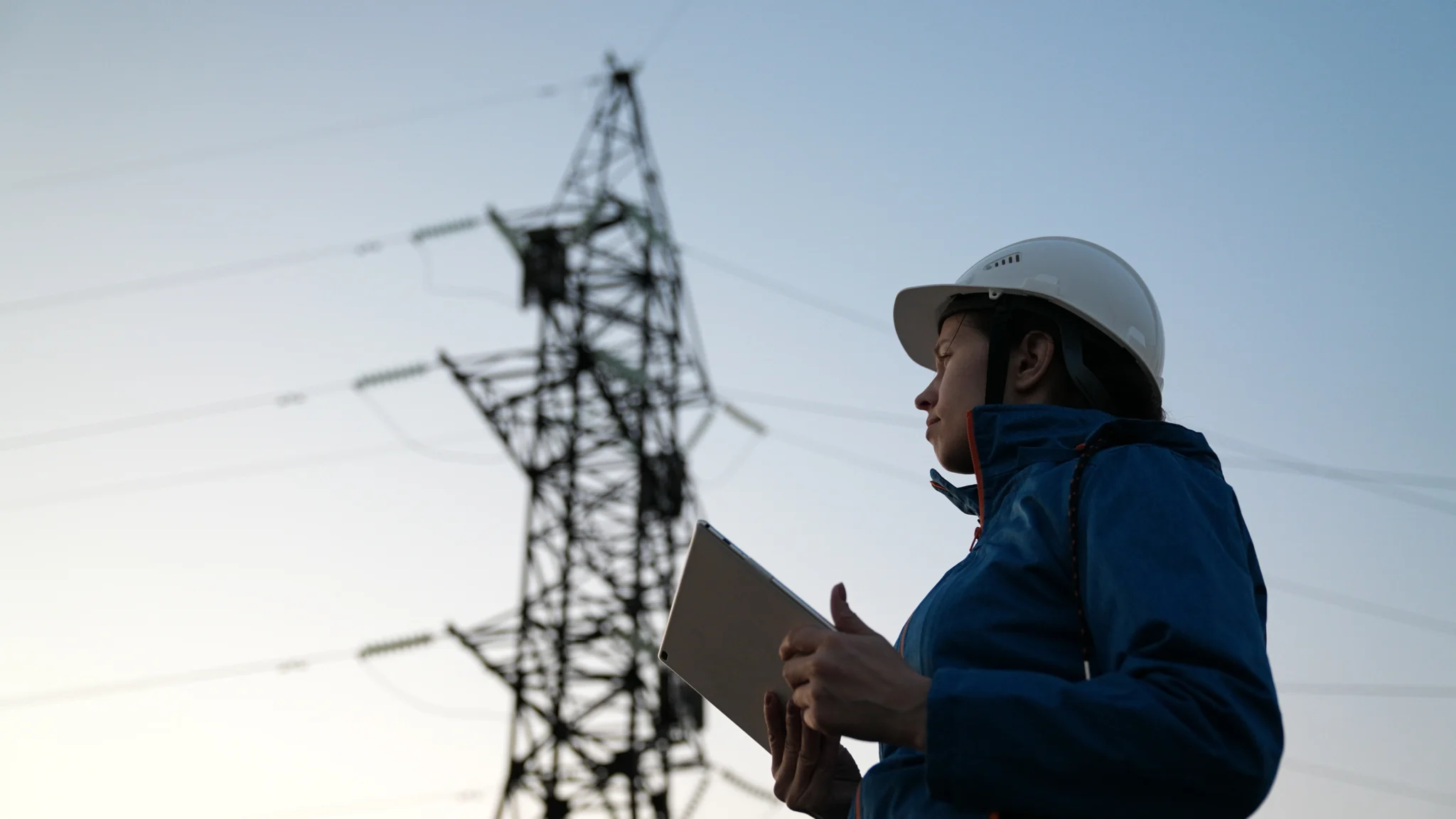
“Clean energy runs on the people who build and maintain it. Our new program gives those workers a credential that travels with them and gives employers confidence in the workforce they are building,” said Scott Garten, Senior Vice President at ACP’s Institute for Safety, Workforce, and Operational Performance.
Clean Power Grew U.S. Economy by $150B and Supported 1.4M Jobs in 2025
“America’s clean power industry is delivering the energy the economy needs to thrive,” said ACP CEO Jason Grumet. “As our 2025 Annual Market Report demonstrates, we are not only meeting growing electricity demand — we are building an energy future that is made in America, benefits local communities, and powers our global competitiveness.”
We unite the power of the clean energy industry.
The American Clean Power Association (ACP) is the leading voice of today’s multi-tech clean energy industry, representing energy storage, wind, utility-scale solar, clean hydrogen, and transmission companies. ACP is committed to meeting America’s energy and national security goals and building our economy with fast-growing, low-cost, and reliable domestic power.
Leverage
our larger geographic and economic footprint.
Respond

to the external environment quickly.
Include

all sectors, business models, and aspects of the clean energy value chain.
Integrate

501(c)(3), (c)(4) and (c)(6) for maximum impact.


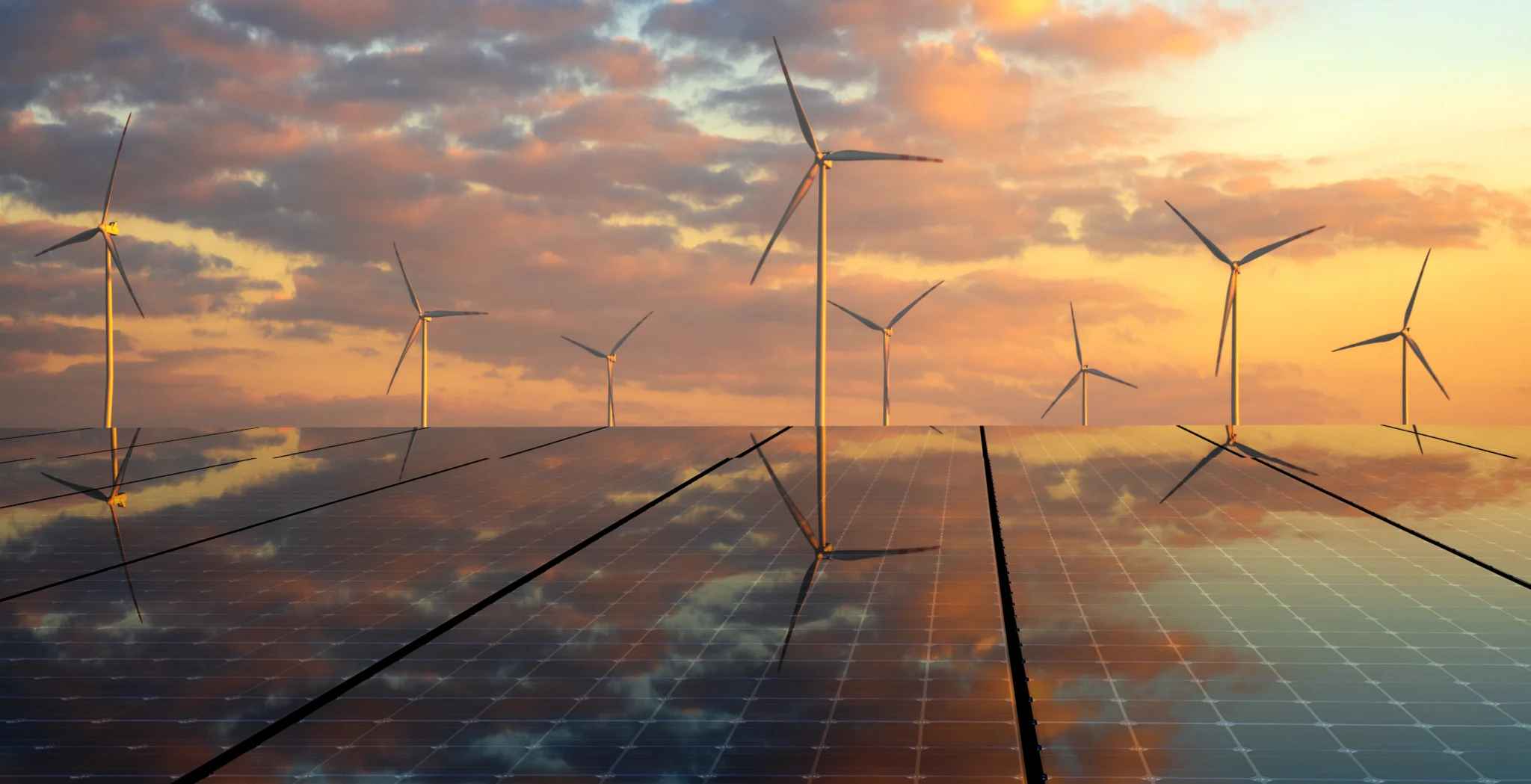
Leading the Charge
Clean energy is on the move across America and around the world. Join the American Clean Power Association in leading the charge.
Open video in lightboxWhat's happening in clean energy
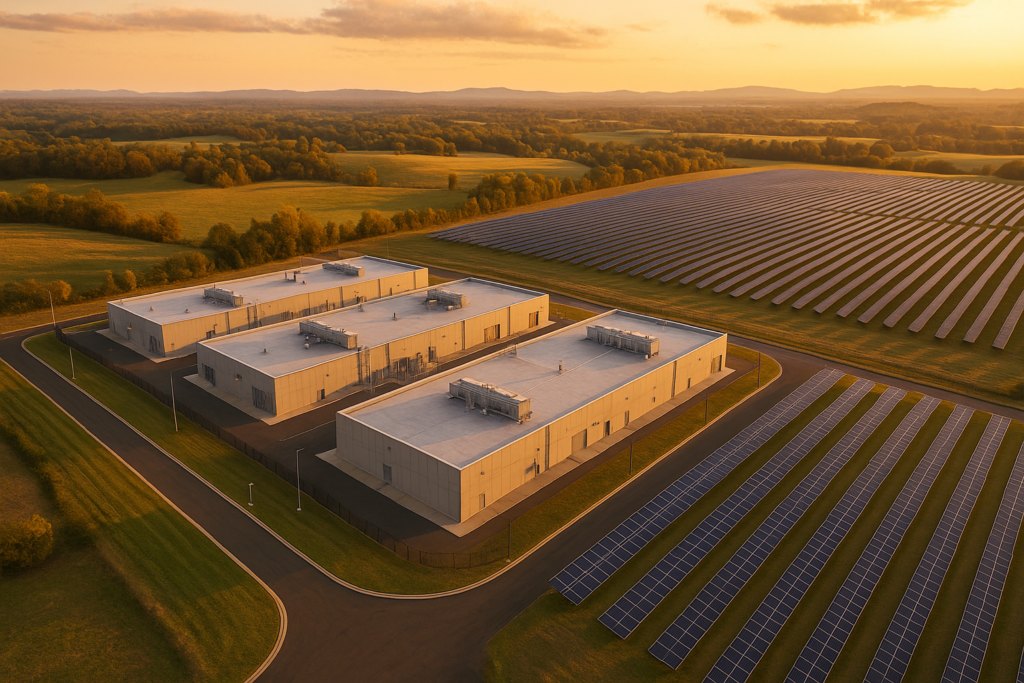
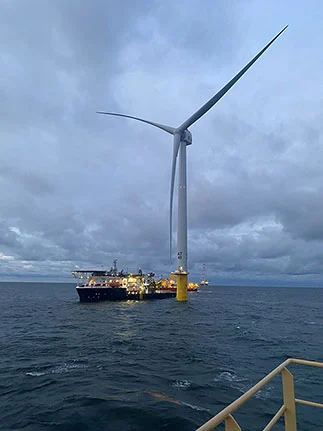
Solar and wind power has grown faster than electricity demand this year, report says
Worldwide solar and wind power generation has outpaced electricity demand this year, and for the first time on record, renewable energies combined generated more power than coal, according to a new analysis.
Trump coming up short on promise to cut electricity costs as prices keep climbing
President Donald Trump’s campaign promise to slash energy costs in half is slipping out of reach as electricity prices continue to soar across the country.

The clean energy industry is moving America's economy into the future
1.4M
Clean energy provides direct jobs for over 437,000 Americans across all 50 states, including project development, construction, operations, maintenance, and manufacturing. When factoring in indirect and induced jobs, clean power supports over 1.4 million American jobs.
83M
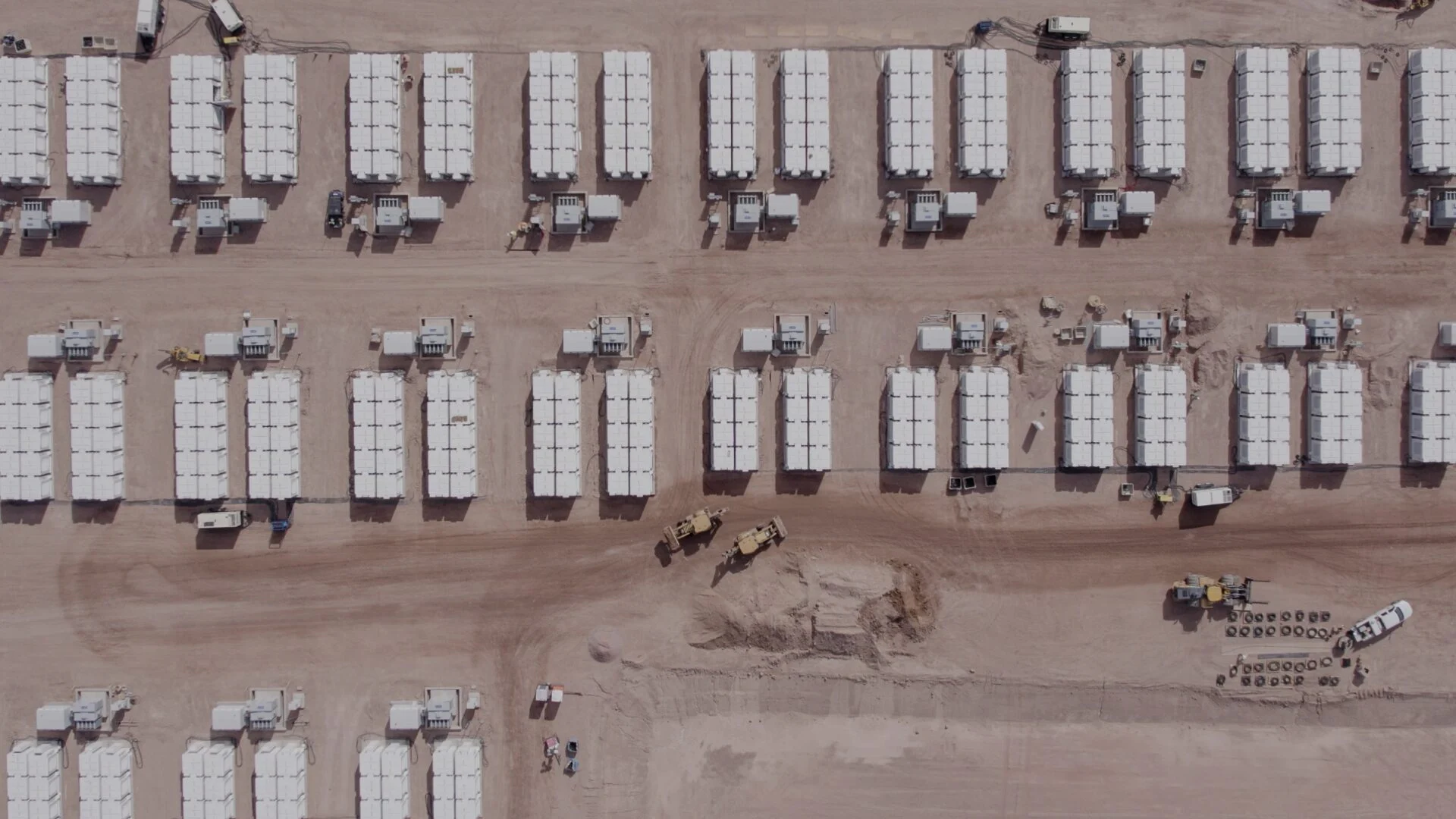
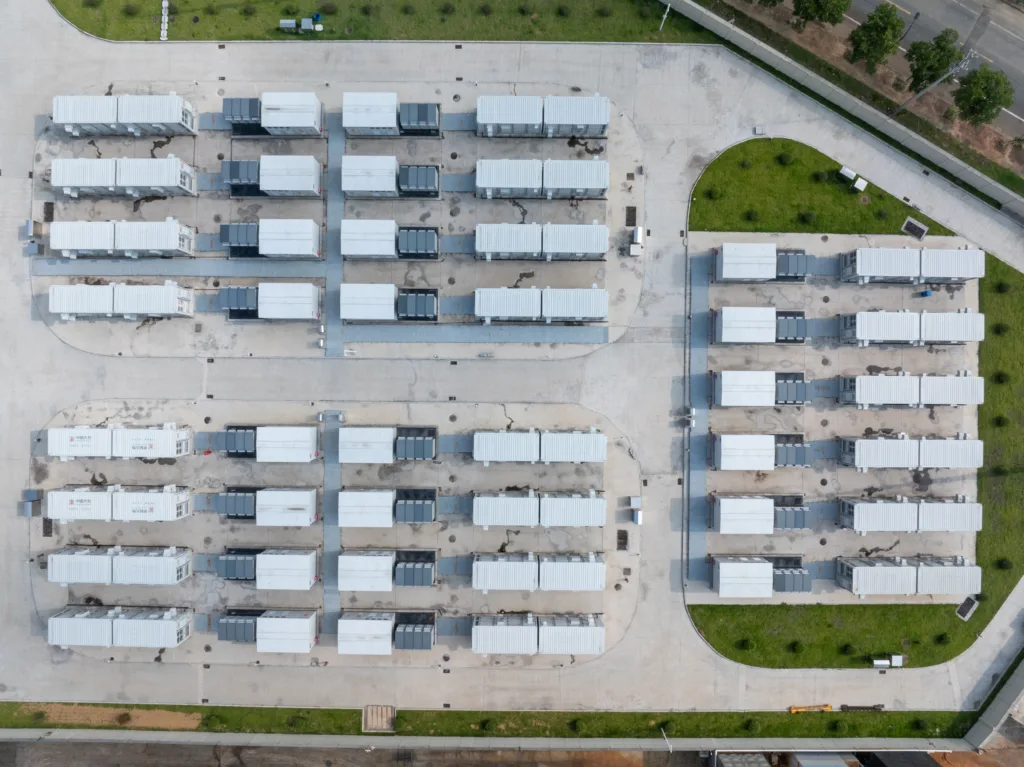
The U.S. has installed enough land-based wind, offshore wind, and utility-scale solar capacity to power nearly 83 million American homes. Utility-scale storage systems provide enough energy to power an additional 19 million American homes during peak hours.
19%
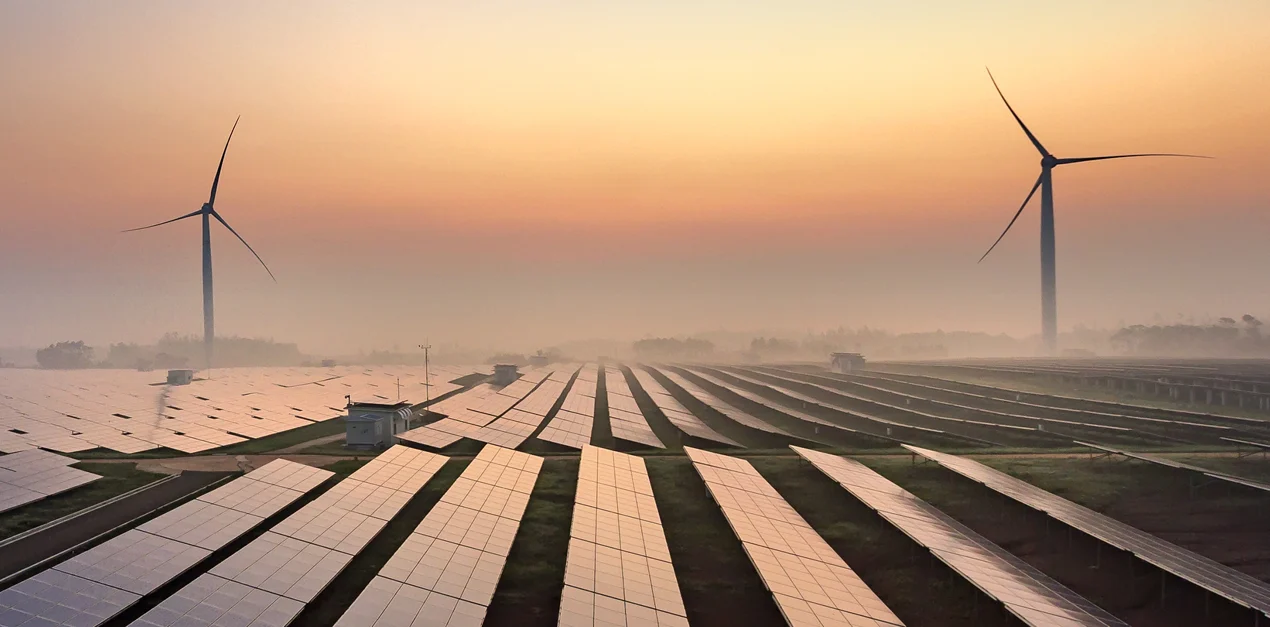
of U.S. electricity is provided by wind and solar